


Workplaces have embraced the cult of positivity with a fervor that would make even the most enthusiastic self-help guru blush. Happiness—and its hyperactive cousin, “cocaine positivity”—has become the unofficial corporate religion, complete with mandatory all-day “happy face” mode, yoga classes to stretch away your stress (or dignity), and foosball tables to distract you from existential dread. You’d think all this cheerleading would lead to record-breaking engagement and productivity. Spoiler alert: it hasn’t.
So, if workplace positivity and happiness slogans haven’t fixed the workplace, maybe it’s time to get real. Are we brave enough to embrace all emotions—even the messy ones—or are we stuck clinging to this one-size-fits-all optimism that’s clearly not working?
As both an HR executive and a scientist, I’ve had extensive experience working closely with people—managing their ambitions, expectations, and, yes, even their occasional dramas. I spend my day focused on business challenges but also navigating workplace emotions: observing them, analyzing them, and sometimes just wondering on how often we misinterpret or/and mishandle them.
Here’s the reality: failing to manage emotions or lose autoregulation in a workplace doesn’t just result in awkward moments or regrettable outbursts. It often leads to emotional overload, poor decision-making, and mood swings that can derail not just an individual’s day but the entire team’s dynamic.
And yet, emotions aren’t the enemy. In fact, they’re humanity’s oldest survival tools.
Take fear, for example. It’s not just about feeling nervous. Fear puts your body into full survival mode: your focus sharpens, your appetite disappears, and romantic thoughts? Oh, please forget it—your brain is far too busy plotting an escape route to care about candlelight dinners.
However, it seems that these somehow negative emotions are banned from the era of continuous positivity and happiness. Offices now have Chief Happiness Officers, Chief Empathy Officers, yoga rooms, mindfulness classes, coaches, gaming rooms, and foosball tables, among others…..all meant to make employees happier. But here’s the twist: despite all these efforts, sick leaves, burnout, disengagement, bore-out, great resignation, quiet quitting, and so on… are at record highs. It seems you can’t fix workplace problems with yoga or foosball tables.
But here’s the important part: emotions like fear, sadness, and shame aren’t the villains of your workplace struggles. Suppressing them can make things worse, turning you into a robotic version of yourself. Neuroscientist Antonio Damasio explained it clearly—without emotions, humans wouldn’t function well. Organisms without emotions would be far less capable of adaptive and intelligent action; they would certainly become stupider. Our brains didn’t evolve to make us happy; they evolved to keep us alive. That’s why emotions like fear protect us, shame helps us follow social rules, and sadness allows us to reflect and grow. But in today’s workplaces, especially in Western cultures, we’ve labeled these feelings as “bad” and replaced them with an obsession with being positive all the time.
Preliminary findings from my research on Leadership and Occupational Mental Health back this up. The myth that happy employees are inherently more productive is just that—a myth.
Well-being and happiness are a consequence of action. Productivity doesn’t come from perpetual smiles or curated vibes; it stems from autonomy, empowerment, and meaningful action. It’s not happiness that leads to fulfillment; it’s the ability to do something meaningful that leads to happiness. True satisfaction comes from facing challenges head-on—taking risks, failing, learning, and trying again. These actions are inseparable from the experience of emotions such as fear or shame, yet it’s precisely these emotions that push us to grow and adapt. What really matters is experiencing the full range of emotions—both positive and negative—that make us stronger, more adaptable, and more human.
So, let’s stop pretending that positivity is the solution to everything. Stop luring yourself and your teams. The key isn’t avoiding negative or uncomfortable emotions but embracing them along with the positive ones. Growth and fulfillment come from learning to use all your emotions and creating conditions for your team to contribute to something meaningful, even if it comes with tears, fears, and despair. And yes, it’s possible to enjoy the process—even laugh at it—along the way.
Author: Barbara Gawior
Finally, are you ready to help uncover the transformative power of leadership?
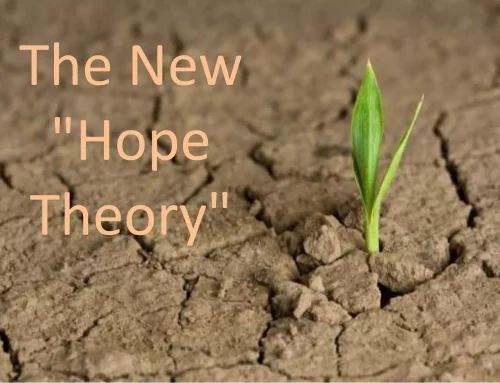
Take part in our groundbreaking survey exploring the impact of leadership on occupational mental health. Together, we’ll delve into how hope and self-efficacy can redefine leadership, enhance well-being, and improve lives.
Your voice matters. Be part of the change—click the link below to participate:
Thank you for your contribution!



Leave A Comment