Liderazgo y esperanza disposicional: más allá de la motivación.
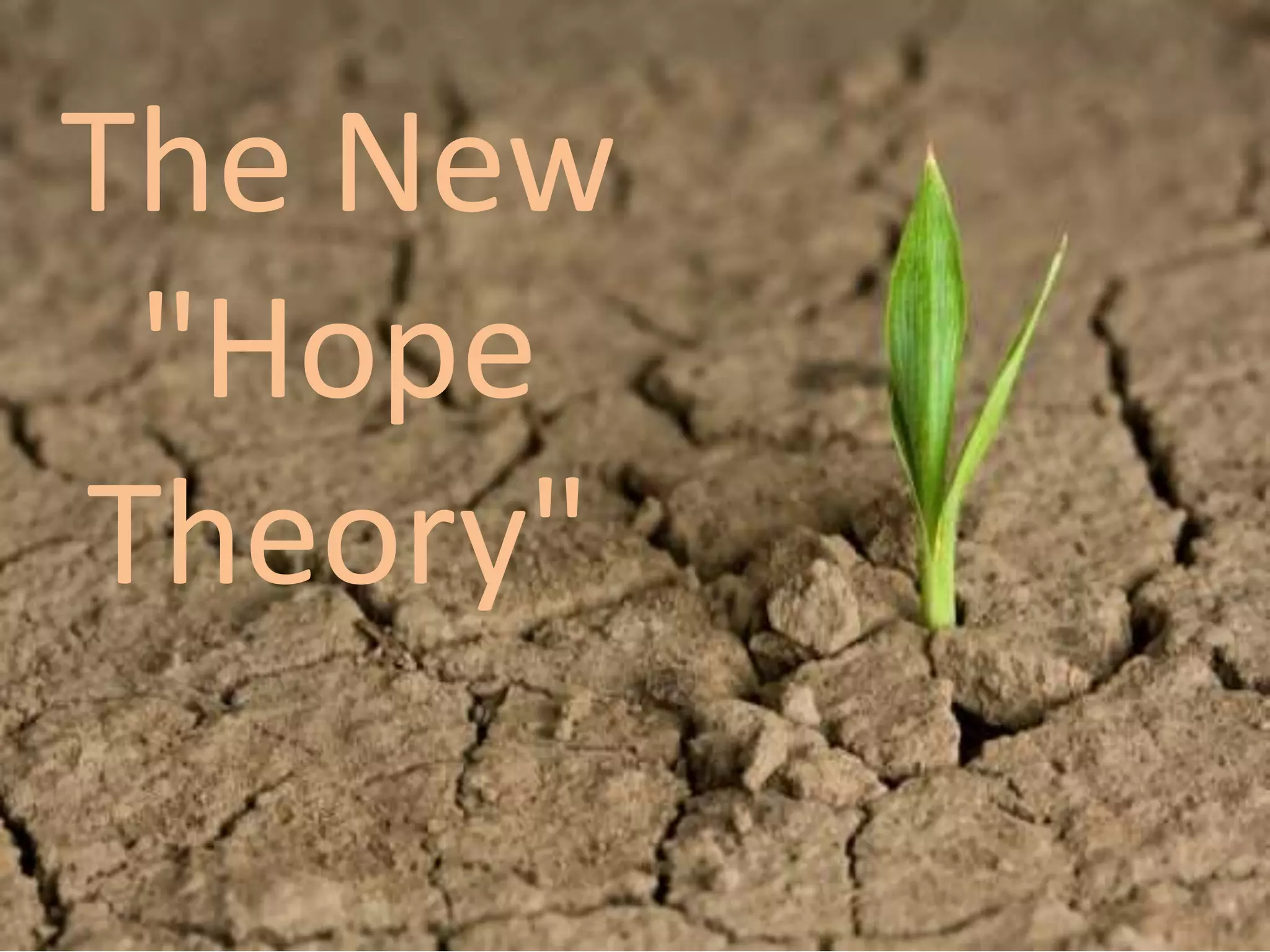
¿Impacta el liderazgo en la esperanza disposicional de los equipos? Analizamos la teoría de Snyder (Agency vs Pathways) y su rol en la salud mental y el bienestar organizacional.



¿Impacta el liderazgo en la esperanza disposicional de los equipos? Analizamos la teoría de Snyder (Agency vs Pathways) y su rol en la salud mental y el bienestar organizacional.
On teams, conflict avoidance is toxic. As Rahim's model describes, the tendency to withdraw or ignore disagreements doesn't make them disappear. Instead, ignored conflicts fester, leading to rifts, communication breakdowns, and stalled collaboration. The superficial "harmony" achieved through avoidance is merely the silence of suppressed ideas, ultimately resulting in dysfunctional teams plagued by stress and poor performance.
En el artículo "Ciborgs cognitivos o el arte de atrofiar la mente sin mover un dedo" reflexiono sobre el dilema de la IA: ¿utilizarla para potenciar las mentes o dejarla trabajar, generando atrofia intelectual? Partiendo de la idea del "ciborg natural" de Clark, advierto del peligro de la dependencia excesiva de la IA, priorizando las "habilidades blandas" sobre las "duras" y generando una brecha cognitiva. Propongo combinar tecnología y empatía con rigor intelectual, recuperando el valor del esfuerzo y el pensamiento crítico para un futuro más igualitario.
En un mundo empresarial cada vez más complejo y acelerado, el liderazgo científico emerge como la clave para transformar el caos en oportunidades. Este modelo combina lógica, datos y humanidad para diseñar estrategias efectivas, fomentar la innovación y liderar desde el frente, lejos de discursos vacíos y torres de cristal. Inspirado en la acción y el compromiso, el liderazgo científico destruye viejas estructuras rígidas para crear culturas ágiles y colaborativas. Hoy, más que nunca, se necesita líderes que vivan la realidad empresarial, inspiren con hechos y abracen un mantra eterno: ¡Espabila y haz que las cosas pasen!.
In today’s dynamic world, continuous learning has evolved from luxury to necessity. As Dr. Jordi Díaz highlights in Luces largas hacia el futuro del ‘management’, lifelong learning and scientific management are critical for organizations to thrive. Zygmunt Bauman’s liquid learning epitomizes modern education: adaptable and aligned with ever-changing demands. Yet, rigid systems leave many overqualified but underutilized. Innovations like micro-credentials and programs like Singapore’s SkillsFuture show a better way, empowering individuals with real-world skills. Beyond economics, liquid learning fosters societal resilience, reducing inequality and driving engagement. With 50% of job skills predicted to shift by 2030, embracing liquid learning isn’t optional—it’s survival. As Harvard reminds us, “The future belongs to those who prepare for it today.”
In the age of corporate cheerleading, where yoga rooms and foosball tables promise endless happiness, workplaces are more disengaged than ever. Despite the cult of positivity, burnout, quiet quitting, and record-high resignations tell a different story: forcing constant smiles doesn’t fix the deeper issues. Emotions—yes, even the messy ones like fear, sadness, and shame—aren’t workplace villains; they’re survival tools. Neuroscientist Antonio Damasio reminds us that emotions are essential for intelligent, adaptive action. Fear sharpens focus, shame reinforces social bonds, and sadness fosters reflection and growth. Suppressing these feelings in favor of relentless positivity stifles authenticity and resilience. True fulfillment comes not from curated vibes but from autonomy, meaningful action, and embracing challenges. It’s time to ditch the myth that happiness fuels productivity. Instead, let’s create environments where all emotions—positive and negative—are welcomed as drivers of growth, adaptability, and humanity. After all, the road to meaningful work isn’t paved with perpetual smiles—it’s built on the full spectrum of human emotion.
Commitment isn’t just engagement—it’s the driving force behind innovation and resilience. My framework blends calculative commitment (logic-driven loyalty through rewards and growth) with affective commitment (emotional connection to mission and values). Key drivers: • Evaluation: Align rewards with employee goals. • Emotional: Build genuine relationships. • Engagement: Empower employees with purpose. Committed employees don’t just work—they innovate and build your future. Embrace commitment today or risk irrelevance tomorrow. Are you ready to lead the way?
Narcissistic leaders can command attention with their confidence and grandiosity, but their destructive behaviors—like entitlement, exploitation, and empathy vacuums—can wreak havoc on organizations and teams. If you’ve ever worked with one, you know the chaos: every meeting becomes a self-celebration, feedback gets twisted, and their “special status” leaves others sidelined. Navigating this minefield is no small feat, but the DEEP method can help: • Defend? Don’t. They’re not listening. • Explain? Don’t bother. They’ll distort your words. • Engage? Avoid it. It rarely ends well. • Personalize? Never. Their behavior is about them, not you. Stay calm, set boundaries, and protect your well-being. While it’s tough, dealing with a narcissistic boss can teach you invaluable lessons—especially how not to lead. Good luck!
Cuando líderes narcisistas priorizan el poder sobre la integridad, las organizaciones sufren. Rasgos como arrogancia, impulsividad y necesidad de autoafirmación dañan la colaboración y los valores. Ejemplos como Mitch en The Morning Show o Trump durante la pandemia reflejan cómo estos comportamientos destruyen la cultura organizativa. La cultura se basa en tres pilares: ambiciones, competencias e integridad. Sin equilibrio, los líderes se convierten en agentes de crisis. Afrontar este liderazgo es difícil, pero necesario para construir entornos colaborativos y sostenibles basados en confianza y valores sólidos.
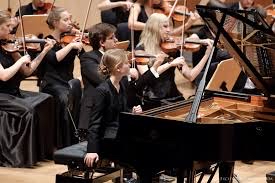
Pocos lo saben, pero una gran parte de mi vida, más de 15 años, la dediqué a la música. Un desafortunado accidente troncó mis sueños y me obligó a re-orientar mi carrera profesional hacia [...]